
These human health and disease class 12 notes compress NCERT Class 12 Biology Chapter 7 into revision-ready form: a master table of all eight diseases, clear immunity comparisons, stepwise traces of malaria and HIV, and a list of the mistakes students make in this chapter.
They follow the 2026-27 session, and every key fact carries its NCERT page reference — you can cross-check anything against the official Chapter 7 PDF at ncert.nic.in.
The chapter is dense with names and scientific terms, so revision speed matters. Read the chapter map, then the disease table; revisit the worked examples and the mistakes table; finish with the one-page recap at the end. If a term is unfamiliar, the definitions table in the middle will fix that in seconds.
This page is part of the class 12 biology notes hub, where every chapter of the subject follows the same compact format.
How This Chapter Builds: From Health to Defence
The ancient Greeks (Hippocrates) and the Indian Ayurveda tradition explained health as a balance of four ‘humors’ — body fluids. A person with excess ‘black bile’, for instance, was thought to have a hot personality and to suffer fevers.
That idea was built on pure reflection, and it collapsed when William Harvey proved blood circulation experimentally and a thermometer showed normal body temperature in people with ‘black bile’ (NCERT, p. 129).
The modern view adds the mind: the neural and endocrine systems connect mental state to the immune system, so health is treated as more than body condition alone. That is why the textbook defines health as a state of complete physical, mental and social well-being — not merely the absence of disease (NCERT, p. 130).
Health is affected by three groups of factors:
- Genetic disorders — deficiencies present from birth or inherited from parents.
- Infections — invasion of the body by disease-causing organisms.
- Lifestyle — the food and water we take, rest and exercise, and our habits.
When one or more organs or systems stop functioning properly, the resulting signs and symptoms are called a disease. Diseases split into infectious (easily transmitted from person to person, e.g., AIDS) and non-infectious (e.g., cancer, drug and alcohol abuse) (NCERT, p. 130).
Each numbered section of the chapter answers one core question, and that is the best way to hold the chapter together:
| Textbook section | Core question it answers |
|---|---|
| 7.1 Common Diseases in Humans | What do pathogens do to the body? |
| 7.2 Immunity | How does the body defend itself? |
| 7.3 AIDS | What happens when the defence system itself is destroyed? |
| 7.4 Cancer | What happens when the controls on cell division fail? |
| 7.5 Drugs and Alcohol Abuse | How do addiction and behaviour damage health? |
Unit VIII of the textbook, Biology in Human Welfare, continues this theme with microbes in human welfare — the same organisms that cause disease also get put to productive use there.
Common Diseases in Humans: Eight Diseases, One Revision Table
The chapter details eight diseases. The table below gives every exam-relevant fact in one view. Source for all rows: NCERT, pp. 130–133; prevention measures are from pp. 133–134.
| Disease | Pathogen (type) | How it spreads | Main symptoms | Prevention focus |
|---|---|---|---|---|
| Typhoid | Salmonella typhi (bacterium) | Contaminated food and water → small intestine → blood | Sustained high fever \(39^\circ\)–\(40^\circ\)C, weakness, stomach pain, constipation, headache, loss of appetite | Safe food and water; Widal test confirms diagnosis |
| Pneumonia | Streptococcus pneumoniae, Haemophilus influenzae (bacteria) | Inhaling droplets or aerosols from an infected person; sharing glasses and utensils | Alveoli fill with fluid → breathing trouble; fever, chills, cough, headache; lips and nails turn grey-blue in severe cases | Avoid close contact with infected persons and their belongings |
| Common cold | Rhino viruses | Droplets from cough or sneeze; contaminated objects (pens, cups, doorknobs, keyboards) | Infects nose and respiratory passage (not lungs); nasal congestion, sore throat, hoarseness, cough, headache, tiredness for 3–7 days | Hygiene; avoid droplet contact |
| Malaria | Plasmodium (protozoan); species such as P. vivax and P. falciparum (P. falciparum causes the most serious malignant malaria) | Bite of infected female Anopheles mosquito (vector) | Rupture of RBCs releases haemozoin → chills and high fever every 3–4 days | Control mosquitoes and breeding places: no stagnant water, mosquito nets, Gambusia fish that eat larvae, insecticides, wire mesh |
| Amoebiasis | Entamoeba histolytica (protozoan parasite in the large intestine) | Houseflies act as mechanical carriers from faeces to food; contaminated food and water | Constipation, abdominal pain and cramps, stools with excess mucus and blood clots | Sanitation; safe food and water |
| Ascariasis | Ascaris (roundworm, helminth) | Eggs in faeces contaminate soil, water and plants → contaminated water, vegetables, fruits | Internal bleeding, muscular pain, fever, anaemia, blockage of the intestinal passage | Personal hygiene; wash vegetables and fruits |
| Elephantiasis (filariasis) | Wuchereria — W. bancrofti, W. malayi (filarial worm, helminth) | Bite of female mosquito vectors | Chronic inflammation of lymphatic vessels, usually of the lower limbs; genital organs often affected → deformities | Vector control |
| Ringworm | Microsporum, Trichophyton, Epidermophyton (fungi) | From soil; shared towels, clothes, combs of infected individuals | Dry scaly lesions on skin, nails and scalp with intense itching; thrives in heat and moisture (skin folds such as groin, between toes) | Personal hygiene; do not share towels, clothes or combs |
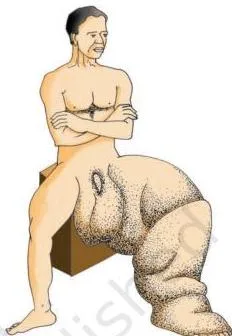
Figure 7.2 shows the hallmark of elephantiasis — a swollen, inflamed lower limb. The swelling comes from chronic inflammation of the lymphatic vessels, where the filarial worm lives for many years (NCERT, p. 133).
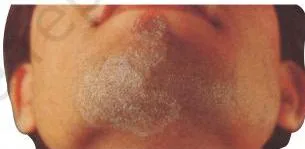
Figure 7.3 shows the typical ringworm lesion — a dry, scaly patch on the skin. The same kind of lesion appears on nails and scalp and is accompanied by intense itching (NCERT, p. 133).
Details worth remembering:
- Typhoid Mary: Mary Mallon, a cook, was a typhoid carrier who kept spreading the disease for years through the food she prepared (NCERT, p. 131).
- The recurring malaria fever: chills and fever return every 3–4 days because RBC rupture releases haemozoin, a toxic substance that drives the fever (NCERT, p. 131).
- Dengue and chikungunya: both are vector-borne diseases spread by Aedes mosquitoes, whose incidence in India has risen — another reason to control mosquito breeding (NCERT, p. 134).
- What has worked: vaccines eradicated smallpox and largely controlled polio, diphtheria, pneumonia and tetanus; antibiotics and other drugs now treat many infectious diseases (NCERT, p. 134).
Immunity: Barriers, Memory and Defence Types
Immunity is the overall ability of the host to fight disease-causing organisms, conferred by the immune system (NCERT, p. 134). It works in two layers: innate (present from birth) and acquired (learned after exposure).
Innate immunity: four barriers
Innate immunity is non-specific — it defends against any foreign agent — and is present at birth. It works through four types of barriers (NCERT, pp. 134–135):
- Physical barriers: the skin, plus the mucus coating of the respiratory, gastrointestinal and urogenital tracts, which traps microbes entering the body.
- Physiological barriers: stomach acid, saliva and tears prevent microbial growth.
- Cellular barriers: certain leukocytes — PMNL-neutrophils, monocytes and natural killer lymphocytes in blood, and macrophages in tissues — phagocytose and destroy microbes.
- Cytokine barriers: virus-infected cells secrete interferons, proteins that protect non-infected cells from viral infection.
Memory device: P-P-C-C — “Police Personnel Catch Criminals” → Physical, Physiological, Cellular, Cytokine.
Acquired immunity: specificity plus memory
Acquired immunity is pathogen-specific and is characterised by memory (NCERT, p. 135). The first encounter with a pathogen produces a low-intensity primary response; a later encounter with the same pathogen triggers a far stronger secondary or anamnestic response, because the body remembers the first meeting.
Two lymphocyte families run it: B-lymphocytes (which produce antibodies) and T-lymphocytes (which help B-cells but do not secrete antibodies themselves).
| Point of comparison | Innate immunity | Acquired immunity |
|---|---|---|
| Present from | birth | after exposure to a pathogen |
| Specificity | non-specific | pathogen-specific |
| Memory | no memory; the same generic defence every time | has memory; anamnestic response on re-exposure |
| Main players | barriers, phagocytes, interferons | B-lymphocytes (antibodies) and T-lymphocytes (CMI) |
| Example | skin blocking entry, stomach acid killing microbes | antibodies formed against a specific virus after infection |
Antibody structure
Each antibody molecule has four peptide chains — two small light chains and two longer heavy chains — so an antibody is written as \(H_2L_2\) (NCERT, p. 135). The major classes are IgA, IgM, IgE and IgG. Because these antibodies circulate in blood, this arm of defence is called the humoral immune response.
The second arm is the cell-mediated immune response (CMI), carried out by T-lymphocytes.
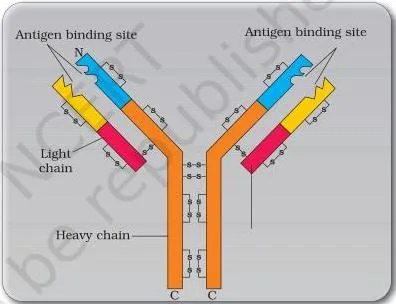
Figure 7.4 shows that four-chain \(H_2L_2\) arrangement — the same frame shared by every antibody class. CMI also solves a practical medical problem: grafts and organ transplants from just anyone get rejected because the body distinguishes ‘self’ from ‘nonself’. That is why tissue and blood-group matching are essential before a transplant, and why patients must take immunosuppressants for life (NCERT, pp. 135–136).
Active vs passive immunity
When the host’s own body makes antibodies after exposure to antigens — dead or live microbes, or other proteins — that is active immunity; it is slow and takes time to reach full effect (NCERT, p. 136). When ready-made antibodies are given directly, that is passive immunity; protection is immediate.
Examples of passive immunity include colostrum (rich in IgA) given to the newborn in the first days of lactation, antibodies passing to the foetus through the placenta, tetanus antitoxin and snakebite antivenom.
| Point of comparison | Active immunity | Passive immunity |
|---|---|---|
| Who makes the antibodies | the host’s own body, after antigen exposure | no antibody production by the host; antibodies are given ready-made |
| Speed of action | slow; full effect takes time | immediate |
| Examples | immunity after natural infection or vaccination | colostrum to a newborn, antibodies via placenta, tetanus antitoxin, snakebite antivenom |
Vaccination, allergy, autoimmunity and lymphoid organs
- Vaccination: rests on the memory of the immune system. A vaccine is a preparation of antigenic proteins of the pathogen, or an inactivated/weakened pathogen. It triggers antibody production and generates memory B- and T-cells, so a real infection is met by a quick, massive response (NCERT, p. 136). Recombinant DNA technology now produces antigenic polypeptides in bacteria or yeast — the hepatitis B vaccine made from yeast is the textbook example.
- Passive immunisation: when a quick response is essential (tetanus, snakebite), preformed antibodies or antitoxin are injected directly (NCERT, p. 136).
- Allergy: an exaggerated immune response to certain environmental antigens. The trigger substances are allergens (dust mites, pollens, animal dander); the antibody involved is IgE. Mast cells release histamine and serotonin, causing sneezing, watery eyes, running nose and breathing difficulty. Anti-histamine, adrenalin and steroids reduce the symptoms (NCERT, p. 137).
- Autoimmunity: sometimes, for genetic and other unknown reasons, the body attacks its own cells — an autoimmune disease. Rheumatoid arthritis is the NCERT example (NCERT, p. 137).
Lymphoid organs are where lymphocytes originate, mature and proliferate (NCERT, pp. 137–138).
| Type | Organs | Job |
|---|---|---|
| Primary | bone marrow, thymus | immature lymphocytes mature into antigen-sensitive lymphocytes |
| Secondary | spleen, lymph nodes, tonsils, Peyer’s patches of the small intestine, appendix | lymphocytes interact with the antigen and proliferate into effector cells |
The bone marrow is the main lymphoid organ — it produces all blood cells including lymphocytes. The thymus is lobed, lies near the heart beneath the breastbone, is large at birth and shrinks to a very small size by puberty.
The spleen filters blood and stores a large reservoir of erythrocytes; lymph nodes trap micro-organisms and antigens from lymph and tissue fluid. MALT (mucosa-associated lymphoid tissue), lining the respiratory, digestive and urogenital tracts, makes up about 50 per cent of human lymphoid tissue (NCERT, p. 138).
A useful picture: innate immunity is the fort wall, always standing and stopping any intruder generically. Acquired immunity is the guard with a memory — once a specific intruder has been seen, the next meeting triggers a faster and far stronger alarm. That recall is the anamnestic response, and it is exactly what vaccination exploits.
For the evolutionary background of why immune memory exists, the class 12 evolution notes develop that wider story.
AIDS: The Virus, Its Replication and How to Prevent It
AIDS — Acquired Immuno Deficiency Syndrome — is a deficiency of the immune system acquired during life, not a congenital disease; ‘syndrome’ means a group of symptoms (NCERT, p. 138). First reported in 1981, it is caused by the Human Immuno deficiency Virus (HIV), a member of a group of viruses called retroviruses, which have an envelope enclosing an RNA genome.
How HIV transmits
- Sexual contact with an infected person.
- Transfusion of contaminated blood and blood products.
- Sharing infected needles, as intravenous drug abusers do.
- From an infected mother to her child through the placenta.
HIV is not spread by mere touch or physical contact — it spreads only through body fluids — so infected people must not be isolated from family and society; they need help and sympathy (NCERT, p. 139). High-risk groups are people with multiple sexual partners, intravenous drug users, patients who require repeated blood transfusions, and children born to HIV-infected mothers.
There is always a time lag between infection and symptoms — usually 5–10 years, sometimes a few months or longer (NCERT, p. 139).
What the virus does
HIV enters macrophages, where the enzyme reverse transcriptase converts the viral RNA genome into viral DNA. This viral DNA integrates into the host cell’s DNA and directs the cell to produce virus particles — the macrophage keeps producing virus and acts like an HIV factory. Simultaneously, HIV enters helper T-lymphocytes, replicates and produces progeny viruses that attack other helper T-cells.
The cycle repeats, causing a progressive fall in helper T-lymphocyte numbers. The patient then suffers from infections that would otherwise be overcome — bacteria (especially Mycobacterium), viruses, fungi and even parasites like Toxoplasma (NCERT, p. 140).
ELISA (enzyme linked immuno-sorbent assay) is the widely used diagnostic test. Anti-retroviral drugs are only partially effective: they prolong life but cannot prevent death, which is inevitable (NCERT, p. 140).
Prevention of AIDS
Because there is no cure, prevention is the best option. In India, NACO (National AIDS Control Organisation) and non-governmental organisations run awareness programmes, and WHO runs international prevention programmes (NCERT, p. 140). The textbook lists these steps:
- Making blood from blood banks safe from HIV.
- Using only disposable needles and syringes in public and private hospitals and clinics.
- Free distribution of condoms.
- Controlling drug abuse and advocating safe sex.
- Promoting regular HIV check-ups for susceptible populations.
Cancer: When Cells Forget to Stop Dividing
In the body, cell growth and differentiation are highly controlled and regulated. In cancer, these regulatory mechanisms break down (NCERT, p. 141). Normal cells show contact inhibition — contact with other cells inhibits their uncontrolled growth. Cancer cells have lost this property, so they keep dividing and form masses of cells called tumours.
| Property | Benign tumour | Malignant tumour |
|---|---|---|
| Location | stays confined to its original location | grows rapidly, invading and damaging surrounding normal tissues |
| Spreading | does not spread to other parts of the body | cells reach distant sites through blood and start new tumours there (metastasis) |
| Damage | causes little damage | starves normal cells by competing for vital nutrients; the most feared property |
Metastasis is why malignant tumours are dangerous: cells sloughed from the tumour travel through blood, lodge in distant organs and form new tumours there (NCERT, p. 141).
What causes cancer
Agents that transform normal cells into cancerous neoplastic cells are carcinogens (NCERT, p. 141).
- Physical: ionising radiations (X-rays, gamma rays) and non-ionising UV cause DNA damage.
- Chemical: carcinogens present in tobacco smoke are a major cause of lung cancer.
- Biological: cancer-causing (oncogenic) viruses carry viral oncogenes. Normal cells also contain cellular oncogenes (c-onc) or proto-oncogenes, which when activated can lead to oncogenic transformation.
Detection and treatment
Early detection is essential. Diagnosis uses biopsy and histopathological studies — a piece of suspected tissue is sliced into thin sections, stained and examined under a microscope. Radiography (X-rays), CT (computed tomography, which uses X-rays to build a three-dimensional image) and MRI (magnetic resonance imaging, which uses strong magnetic fields and non-ionising radiations) detect cancers of internal organs.
Leukaemia is detected by blood and bone-marrow tests showing increased cell counts. Antibodies against cancer-specific antigens, and molecular-biology tests for inherited susceptibility genes, are also used (NCERT, pp. 141–142).
Treatment combines surgery, radiotherapy (tumour cells are irradiated lethally while surrounding normal tissue is protected) and chemotherapy (drugs that kill cancer cells, with side effects such as hair loss and anaemia). Most cancers are treated by a combination of all three.
Because tumour cells avoid detection and destruction by the immune system, patients may receive biological response modifiers such as α-interferon, which activates the immune system and helps destroy the tumour (NCERT, p. 142).
Drugs and Alcohol Abuse: Substances, Signs and Prevention
The drugs commonly abused are opioids, cannabinoids and coca alkaloids; most are obtained from flowering plants, some from fungi (NCERT, p. 142).
| Group | Source | Common forms | Effect on the body |
|---|---|---|---|
| Opioids | latex of Papaver somniferum (opium poppy) | morphine; heroin (smack) = diacetylmorphine | bind to opioid receptors in the CNS and gastrointestinal tract; depressant that slows body functions |
| Cannabinoids | inflorescences of Cannabis sativa | marijuana, hashish, charas, ganja (from flower tops, leaves and resin) | interact with cannabinoid receptors in the brain; affect the cardiovascular system |
| Coca alkaloid | Erythroxylum coca (South America) | cocaine (coke, crack), usually snorted | interferes with dopamine transport; CNS stimulant → euphoria and increased energy; hallucinations in excess |
| Abused medicines | drugs normally used for mental illness (depression, insomnia) | barbiturates, amphetamines, benzodiazepines | abuse when taken for non-medicinal purposes or in doses that impair function |
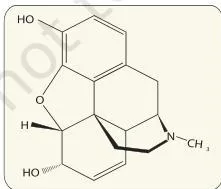
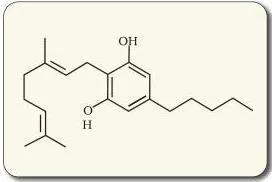
Two of these structures help you recognise the drug families NCERT describes. Figure 7.7 shows the chemical structure of morphine — heroin is nothing but acetylated morphine, that is diacetylmorphine, a white, odourless, bitter compound (NCERT, p. 142). Figure 7.9 shows the skeletal structure of a cannabinoid molecule, the group of chemicals from Cannabis sativa that act on receptors in the brain (NCERT, p. 143).
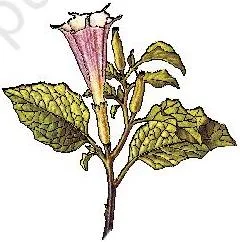
Figure 7.11 shows a flowering branch of Datura — one of the plants with hallucinogenic properties, mentioned alongside Atropa belladonna (NCERT, p. 143).
Smoking and nicotine
Tobacco has been used for more than 400 years. Its alkaloid nicotine stimulates the adrenal gland to release adrenaline and nor-adrenaline, which raise blood pressure and increase heart rate (NCERT, p. 144). Smoking is linked to cancers of the lung, urinary bladder and throat, bronchitis, emphysema, coronary heart disease and gastric ulcer; tobacco chewing raises the risk of oral cancer.
Smoking also raises carbon monoxide (\(CO\)) in the blood and reduces the oxygen carried by haemoglobin, causing oxygen deficiency.
Why adolescence is a vulnerable period
Adolescence — roughly 12–18 years of age — is a vulnerable phase of mental and psychological development (NCERT, p. 144). First use of drugs or alcohol usually begins from curiosity, the need for adventure and excitement, and experimentation; later the child may use substances to escape problems.
The perception that it is ‘cool’, academic stress, unstable or unsupportive family structures and peer pressure all push youngsters toward substance use.
Addiction and dependence
- Addiction is a psychological attachment to a drug’s effects — euphoria and a temporary feeling of well-being. With repeated use, the tolerance level of the body’s receptors rises, so higher doses are needed and intake escalates (NCERT, p. 145).
- Dependence is physical: if the regular dose is abruptly stopped, the body shows a characteristic and unpleasant withdrawal syndrome — anxiety, shakiness, nausea and sweating — which can in some cases be severe and life-threatening (NCERT, p. 145).
Harmful effects
- Immediate: reckless behaviour, vandalism and violence; excessive doses can cause coma and death through respiratory failure, heart failure or cerebral haemorrhage (NCERT, p. 145).
- Warning signs: drop in academic performance, unexplained absence from school, loss of interest in personal hygiene, withdrawal, depression, aggressive behaviour and changed sleeping or eating habits.
- Long-term: chronic use damages the nervous system and liver (cirrhosis); alcohol or drug use during pregnancy adversely affects the foetus (NCERT, p. 146).
- Shared needles: intravenous drug users are much more likely to acquire AIDS and Hepatitis B through infected needles (NCERT, p. 146).
- Sports misuse: anabolic steroids are misused to increase muscle strength and aggressiveness; side effects include masculinisation in females, reduced testicle size and decreased sperm production in males, and stunted growth in adolescents (NCERT, p. 146).
Prevention and control
The textbook gives five measures, especially aimed at adolescents (NCERT, pp. 146–147):
- Avoid undue peer pressure — respect each child’s own choices; do not push beyond his or her threshold limits in studies, sports or other activities.
- Education and counselling — help the child face problems, stress and disappointment; channel energy into sports, reading, music, yoga and other healthy pursuits.
- Seeking help from parents and peers — immediate guidance helps young people vent feelings of anxiety and guilt.
- Looking for danger signs — parents, teachers and friends should identify early warning signs and start remedial steps.
- Seeking professional and medical help — psychologists, psychiatrists and de-addiction or rehabilitation programmes can help the affected person return to a normal, healthy life.
Important Terms: Definition Table for Quick Recall
Revise the chapter’s terminology in one pass with this table. Meanings are kept to one line each.
| Term | Meaning | Example |
|---|---|---|
| Health | state of complete physical, mental and social well-being, not just absence of disease | being efficient at work and productive |
| Disease | adverse functioning of one or more organs or systems, shown by signs and symptoms | typhoid, cancer |
| Pathogen | disease-causing organism — bacteria, viruses, fungi, protozoans, helminths | Salmonella typhi |
| Vector | agent that transmits the pathogen | female Anopheles mosquito for malaria |
| Immunity | overall ability of the host to fight disease-causing organisms, conferred by the immune system | body defending itself against foreign agents |
| Innate immunity | non-specific defence present at birth | skin, stomach acid, interferons |
| Acquired immunity | pathogen-specific defence characterised by memory | antibodies against a specific invader |
| Active immunity | host produces its own antibodies after exposure to antigens | immunity after natural infection or vaccination |
| Passive immunity | ready-made antibodies are given directly | colostrum IgA; tetanus antitoxin |
| Vaccine | preparation of antigenic proteins or inactivated/weakened pathogen | hepatitis B vaccine made from yeast |
| Allergy | exaggerated response of the immune system to certain environmental antigens | sneezing and wheezing from pollen |
| Allergen | substance that triggers an allergic response | dust mites, pollens, animal dander |
| Autoimmune disease | body attacks its own cells, causing damage | rheumatoid arthritis |
| Primary lymphoid organ | organ where immature lymphocytes mature into antigen-sensitive lymphocytes | bone marrow, thymus |
| Secondary lymphoid organ | site where lymphocytes interact with antigens and proliferate into effector cells | spleen, lymph nodes, tonsils, Peyer’s patches, appendix |
| Retrovirus | RNA virus that converts its RNA into DNA with reverse transcriptase | HIV |
| Benign tumour | tumour confined to its original location that causes little damage | — |
| Malignant tumour | proliferating mass of neoplastic cells that invades tissues and metastasises | — |
| Metastasis | spread of tumour cells through blood to distant sites, where they form new tumours | — |
| Carcinogen | physical, chemical or biological agent that transforms normal cells into neoplastic cells | tobacco smoke, X-rays, oncogenic viruses |
| Oncogene | gene that can cause oncogenic transformation when activated | viral oncogenes, cellular oncogenes (c-onc), proto-oncogenes |
| Addiction | psychological attachment to the effects of a drug, such as euphoria and well-being | needing a drug for its ‘high’ |
| Dependence | body shows a withdrawal syndrome when the regular dose is stopped | repeated drug use after the dose is missed |
| Withdrawal syndrome | unpleasant symptoms when a regular drug dose is abruptly discontinued | anxiety, shakiness, nausea, sweating |
Key Molecules and Structures You Must Remember
This chapter has no mathematical formulas, but it has equally fixed ‘formula-like’ facts that answers must reproduce correctly. Memorise them as compact cards:
| Memory card | What it says | Where it matters |
|---|---|---|
| \(H_2L_2\) | an antibody = two light (L) and two heavy (H) peptide chains | antibody structure and diagrams (NCERT, p. 135) |
| Reverse transcriptase | enzyme that copies viral RNA into DNA | HIV replication (NCERT, p. 140) |
| Viral oncogenes / c-onc / proto-oncogenes | genes that can transform normal cells into neoplastic ones | causes of cancer (NCERT, p. 141) |
| Diacetylmorphine (heroin) | made by acetylation of morphine from Papaver somniferum latex | opioids (NCERT, p. 142) |
| Nicotine | stimulates adrenaline and nor-adrenaline release → raised blood pressure and heart rate | smoking (NCERT, p. 144) |
| Haemozoin | toxin released when Plasmodium ruptures RBCs → chills and fever every 3–4 days | malaria (NCERT, p. 131) |
| Interferons | proteins secreted by virus-infected cells that protect non-infected cells | cytokine barrier (NCERT, p. 135) |
| Antibody classes | IgA (colostrum), IgM, IgE (allergy), IgG | immunity (NCERT, pp. 135–137) |
Worked Examples: Tracing Plasmodium and HIV Step by Step
Two processes are best revised as ordered sequences, because a complete answer must give the steps in order, not just a definition. Both traces below are built from the NCERT figures.
Worked example 1: The Plasmodium life cycle (Figure 7.1)
The malarial parasite needs two hosts — humans and the Anopheles mosquito — so the female Anopheles mosquito is both vector and host (NCERT, pp. 131–132).
- An infected female Anopheles mosquito bites a human and injects sporozoites, the infectious form of the parasite.
- The sporozoites multiply inside liver cells.
- The parasites then attack red blood cells (RBCs) and rupture them.
- RBC rupture releases haemozoin, the toxic substance behind the chills and high fever that recur every three to four days.
- When another female Anopheles mosquito bites this infected person, the parasites enter the mosquito and undergo further development.
- Inside the mosquito the parasites multiply into sporozoites stored in the salivary glands, ready to be injected at the next bite — completing the cycle.
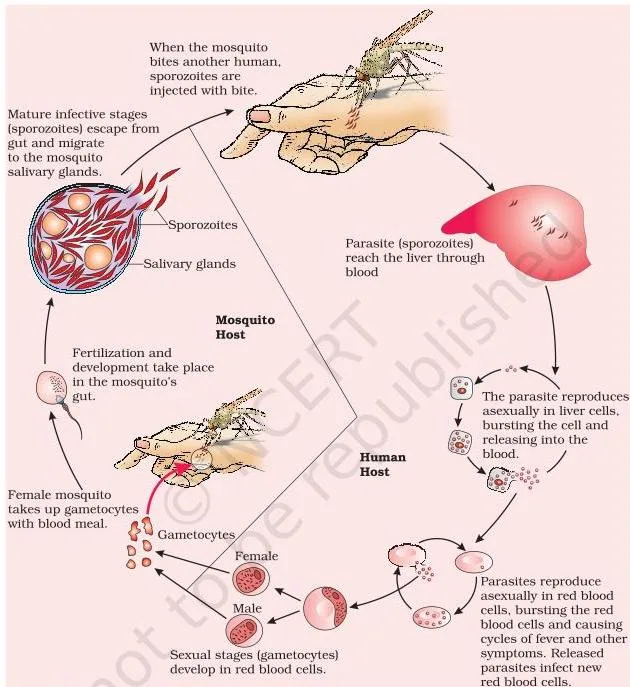
Figure 7.1 lays out these stages across the two hosts. Follow the path from mosquito to human (steps 1–4), then back to mosquito (steps 5–6), and the cycle is complete. Add the species note: Plasmodium falciparum causes malignant malaria, the most serious form, which can be fatal (NCERT, p. 131).
Worked example 2: HIV replication (Figure 7.6)
HIV is a retrovirus: its genome is RNA, so it must first make DNA from that RNA before it can hijack the host cell. The sequence (NCERT, p. 140):
- HIV enters macrophages.
- Reverse transcriptase converts the viral RNA genome into viral DNA.
- The viral DNA integrates into the host cell’s DNA and directs the cell to produce new virus particles.
- The infected macrophage keeps producing virus — it acts like an HIV factory.
- HIV also infects helper T-lymphocytes; the progeny viruses released into the blood attack other helper T-cells.
- The repeated cycle causes a progressive fall in helper T-lymphocyte numbers, producing immunodeficiency and opening the door to opportunistic infections such as Mycobacterium and Toxoplasma.
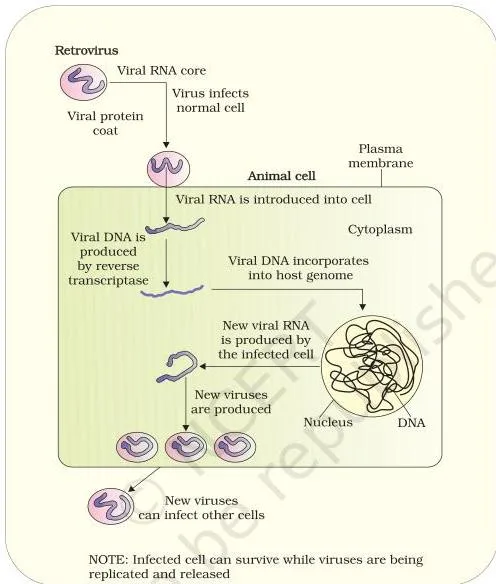
Figure 7.6, captioned “Replication of retrovirus”, shows that pathway inside the host cell: viral RNA is converted to DNA by reverse transcriptase, the DNA joins the host genome, and new virus particles are produced. This is the mechanism that explains why helper T-lymphocyte numbers fall steadily after infection.
Common Mistakes Students Make in This Chapter
These are the errors that repeat most often in this chapter. Each correction carries the reason and a quick way to check yourself.
| Students write… | Correct is… | How to check |
|---|---|---|
| “Malaria is spread by any mosquito.” | Only the female Anopheles mosquito carries and injects Plasmodium sporozoites (NCERT, p. 131). | Check the vector named in the question: Anopheles, not Culex or Aedes. |
| “Innate immunity develops only after an infection.” | Innate immunity is present at birth and non-specific — it defends from the start (NCERT, p. 134). | Ask: is this defence present before any exposure? If yes, it is innate. |
| “T-lymphocytes secrete antibodies.” | B-lymphocytes produce antibodies; T-cells help B-cells but do not secrete antibodies (NCERT, p. 135). | Link the humoral (antibody) response to B-cells and cell-mediated immunity to T-cells. |
| “Cancer cells show contact inhibition.” | Normal cells show contact inhibition; cancer cells have lost it, so they divide without stopping (NCERT, p. 141). | Reverse the sentence: contact inhibition is the normal-cell property. |
| “HIV kills all lymphocytes at once.” | HIV progressively depletes helper T-lymphocytes, with a time lag usually of 5–10 years before AIDS symptoms (NCERT, pp. 139–140). | Remember the lag: infection today, symptoms years later. |
| “Addiction and dependence are the same.” | Addiction is psychological attachment to a drug’s effects; dependence is the body’s withdrawal syndrome when the dose stops (NCERT, p. 145). | Ask: is the definition about feelings (addiction) or physical symptoms on stopping (dependence)? |
| “Stomach acid and tears are physical barriers.” | They are physiological barriers — they prevent microbial growth by chemical means (NCERT, pp. 134–135). | Physical barriers block entry (skin, mucus); physiological barriers act chemically (acid, saliva, tears). |
How to Answer the NCERT Exercises Confidently
The exercises on page 148 (NCERT, p. 148) test exactly what this chapter builds. Here is what a complete answer must contain for each type of question. These are strategies, not solved answers — use them to check your own attempts.
| Exercise | What a complete answer must include |
|---|---|
| Q6 (lymphoid organs) | Name the primary organs (bone marrow, thymus) and the secondary organs (spleen, lymph nodes, tonsils, Peyer’s patches, appendix) and give one function for each. |
| Q8 (immunity comparisons) | For innate vs acquired: time of appearance, specificity and memory. For active vs passive: who produces the antibodies. Support each type with examples. |
| Q9 (antibody diagram) | Reproduce the labelled diagram from Figure 7.4 — light chains, heavy chains and \(H_2L_2\) — and add one line that B-lymphocytes produce antibodies (blueprint below). |
| Q11 (HIV mechanism) | Write the mechanism as a numbered sequence: entry into macrophages → RNA to DNA by reverse transcriptase → integration into host DNA → virus production → progressive helper T-lymphocyte depletion. |
| Q12 (cancer cell vs normal cell) | Anchor the answer in contact inhibition — normal cells have it, cancer cells have lost it — then add uncontrolled division and tumour formation. |
| Q13 (metastasis) | Define it as the spread of tumour cells through blood to distant sites, where they lodge and form new tumours. |
| Q7 (abbreviations) | Expand each fully: MALT, CMI, AIDS, NACO, HIV. |
| Q3 (transmission routes) | Name both the disease and the exact route for each: amoebiasis (housefly-carried faecal contamination of food), malaria (female Anopheles bite), ascariasis (contaminated food and water), pneumonia (inhaled droplets). |
Blueprint for the antibody diagram (Q9): practise drawing Figure 7.4 before the test. A complete response draws the molecule, labels the two light chains and two heavy chains, writes \(H_2L_2\) (two heavy, two light), and adds one line on how antibodies arise — B-lymphocytes produce them, with help from T-cells (NCERT, p. 135).
Once you have marked your own attempts against these points, return to the class 12 notes index for the rest of the subject, or browse the complete CBSE notes library.
One-Page Revision Recap
Skim this in under two minutes — it is the whole chapter reduced to its skeleton. If you remember nothing else, remember this:
- Health = complete physical, mental and social well-being; affected by genetic disorders, infections and lifestyle (NCERT, p. 130).
- Eight diseases: typhoid and pneumonia (bacteria), common cold (rhinovirus), malaria (Plasmodium via female Anopheles), amoebiasis (Entamoeba via housefly), ascariasis (Ascaris via contaminated food and water), elephantiasis (Wuchereria via mosquito), ringworm (fungi via contact). Know the pathogen and vector for each.
- Innate barriers: Physical, Physiological, Cellular, Cytokine — P-P-C-C.
- Acquired immunity: pathogen-specific, with memory; active (own antibodies) vs passive (given antibodies, e.g., colostrum).
- AIDS: HIV is a retrovirus; four transmission routes; no cure, so prevention only; helper T-lymphocyte depletion causes the immunodeficiency.
- Cancer: loss of contact inhibition → tumours; malignant means invasive and metastatic; detect by biopsy, CT and MRI; treat by surgery, radiotherapy, chemotherapy and immunotherapy (α-interferon).
- Drug and alcohol abuse: addiction (psychological) vs dependence (withdrawal syndrome); prevent through the five measures — peer pressure, education, seeking help, watching for danger signs, professional help.
For a final vector check on exam day:
| Disease | Vector / carrier |
|---|---|
| Malaria | female Anopheles mosquito |
| Amoebiasis | housefly (mechanical carrier) |
| Elephantiasis (filariasis) | female mosquito vectors |
| Dengue, chikungunya | Aedes mosquitoes |
Frequently Asked Questions
Why does malaria fever return every three to four days in a Plasmodium infection?
Because of haemozoin. When Plasmodium ruptures red blood cells, it releases this toxic substance, and the chills and high fever follow the rupture cycle — so the fever pattern recurs every three to four days (NCERT, p. 131).
What is the difference between innate and acquired immunity?
Innate immunity is non-specific and present at birth; it works through physical, physiological, cellular and cytokine barriers. Acquired immunity is pathogen-specific and has memory: a first exposure gives a low-intensity primary response, while a later exposure gives a much stronger anamnestic response (NCERT, pp. 134–135).
Can HIV spread by touching, sharing food, or living with an infected person?
No. HIV spreads only through body fluids — sexual contact, transfusion of contaminated blood, sharing infected needles, and from an infected mother to her child through the placenta. Touch, physical contact, sharing food or living together do not transmit it, so infected people should not be isolated (NCERT, p. 139).
Why do cancer cells keep dividing when normal cells stop?
Because they have lost contact inhibition. Normal cells stop dividing when they come into contact with other cells; cancer cells have lost this property, so they continue dividing and form tumours (NCERT, p. 141).
What is the difference between addiction and dependence in drug abuse?
Addiction is a psychological attachment to a drug’s effects — euphoria and a temporary feeling of well-being. Dependence is physical: the body shows a withdrawal syndrome (anxiety, shakiness, nausea, sweating) when the regular dose is abruptly stopped (NCERT, p. 145).
Reference: NCERT Class 12 Biology textbook, chapter Human Health and Disease.
Explore Class 12 Biology Notes
- Class 12 Biology Notes
- Class 12 CBSE Notes
- CBSE Notes for Classes 1 to 12
- Previous: Evolution
- Next: Microbes in Human Welfare
Class 12 Biology on LearnCBSE:
Related chapters:
- Sexual Reproduction in Flowering Plants notes
- Human Reproduction notes
- Reproductive Health notes