
This page is about Applications of Recombinant DNA Technology Class 12 — Chapter 4 of the NCERT Class 12 Biotechnology textbook. The official chapter PDF is directly below, and after it you will find what the chapter actually teaches, section by section: DNA fingerprinting, transgenic organisms, gene therapy, recombinant vaccines, and therapeutic molecules such as insulin and growth hormone.
Applications of Recombinant DNA Technology Class 12: Download the Chapter PDF
Download the official NCERT Class 12 Biotechnology Chapter 4 PDF — Applications of Recombinant DNA Technology from NCERT’s own textbook site, so you can read the chapter with its original figures and exercises while you work through the explanation on this page.
| What the chapter holds | Count | Where it is used |
|---|---|---|
| Printed pages | 44 | |
| Sections in the chapter | 12 | |
| Figures with NCERT captions | 22 | |
| Tables | 3 | |
| Exercise questions | 29 | answered in our NCERT Solutions |
| Official NCERT PDF | Download the chapter PDF | the chapter exactly as NCERT publishes it |
Chapter 4 at a Glance: What Is Inside the PDF
This is a map of the file before you open it. The teaching runs in five numbered sections, and every section answers one question: what can recombinant DNA technology do?
- 4.1 DNA Fingerprinting — how repeated, non-coding DNA is used to establish a person’s identity.
- 4.2 Transgenic Organism — how foreign genes are introduced into plants and animals.
- 4.3 Gene Therapy — how faulty genes are repaired by supplying correct genetic material.
- 4.4 Recombinant Vaccines — four ways of building safer vaccines.
- 4.5 Therapeutic Agents/Molecules — monoclonal antibodies, insulin and growth hormone.
The chapter also carries its own data tables: a list of transgenic crops with their engineered traits, industrial or therapeutic products made in plants, and human recombinant proteins produced in the milk of transgenic animals. It closes with a Summary and a set of Exercises.
A table on this page lists exactly how much the chapter holds — sections, figures, worked examples and exercise questions — so you can see the size of the file at a glance.
What This Chapter Covers and How It Fits Together
This section frames the chapter before you read it, so every later section has a map. The five numbered sections are the chapter: read them in order and you will see one idea answered five times — what recombinant DNA technology can be used for.
- Section 4.1 establishes identity without sequencing a whole genome.
- Section 4.2 creates organisms that do not occur naturally.
- Section 4.3 treats disease at the level of the gene itself.
- Section 4.4 makes vaccines that carry fewer risks than conventional ones.
- Section 4.5 produces human therapeutic proteins in engineered cells.
The chapter builds directly on Chapter 3, where the tools — vectors, restriction enzymes, host organisms — were introduced. Every application here is those tools put to work. One honest warning before you start: this is a concept- and name-heavy chapter with no numerical problems, so revision means definitions, differences, procedures and dates — not calculations.
The Five Applications, Explained
These five sections are the body of the chapter. Each solves a real problem that the chapter’s opening names: establishing the identity of an individual, introducing foreign genes into other organisms, diagnosing and treating disease, and producing therapeutic agents.
4.1 DNA Fingerprinting: The 0.1 Percent That Makes You Unique
DNA fingerprinting answers a practical question: how do you tell two people apart genetically without sequencing everything? The trick is that almost all of your DNA is the same as everyone else’s. About 99.9% of the human genome is identical, and only the remaining 0.1% carries the inherited variations that make each person unique (section 4.1).
More than 90% of the human genome does not code for protein. Inside those non-coding regions lie short sequences repeated many times in tandem — short tandem repeats (STRs) at a locus — called variable number tandem repeats (VNTRs). VNTRs come in two families: microsatellites (repeats of 1 to 9 base pairs) and minisatellites (repeats of 10 to 100 base pairs).
Because they are polymorphic and inherited, they are what DNA fingerprinting reads.
The technique was developed by Sir Alec Jeffreys in 1984 at the University of Leicester. In the simplest picture, restriction digestion is used; the book calls this conceptually correct, but says individual bands are hard to identify on a real gel.
In practice, Southern hybridisation with a VNTR probe is used — the probe is a labelled stretch of single-stranded DNA that detects its complementary target sequence.
The seven steps, in the chapter’s order:
- DNA is isolated from samples such as blood, hair, skin, semen or a buccal swab.
- The DNA is cut into fragments of different sizes using one or more restriction enzymes.
- Fragments are separated by size using agarose gel electrophoresis.
- DNA is transferred from the gel to a nitrocellulose or nylon membrane and permanently fixed — by UV exposure for three minutes or baking at 80 °C for two hours.
- Southern hybridisation is carried out using VNTR probes.
- The hybridised DNA fragments are detected.
- The resulting band pattern is individual-specific and used in forensics and paternity disputes.
PCR is the sensitivity booster: the chapter notes it is often used because it amplifies DNA, regardless of how little is present.
Why does the chapter start here? Because the same repeated non-coding DNA answers five kinds of questions: paternity and maternity determination; criminal identification from crime-scene samples; evolutionary biology, by comparing DNA from fossils with modern counterparts; the study of inherited disorders; and a proposed genetic barcode for personal identification (section 4.1, Applications of DNA Fingerprinting).
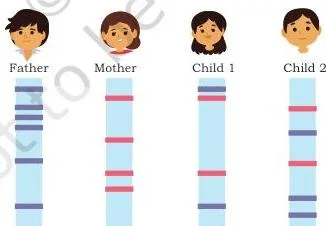
Read the paternity diagram column by column: every band belonging to child 1 can be traced to a band in either the father’s or the mother’s lane. Child 2 shows bands that match neither parent, so the couple are parents of child 1 but not of child 2. The point is inheritance — you carry one copy of every VNTR locus from each parent.
4.2 Transgenic Organisms: How Foreign Genes Enter Plants and Animals
Bt cotton and Rosie the cow were not found in nature; they were built. Section 4.2 explains how foreign genes move into plants and animals, and what the resulting organisms are used for.
Transgenesis is the insertion of a foreign gene (the transgene) into an organism’s genome, plus its transmission and expression in the offspring. Organisms carrying a transgene are called transgenic organisms or genetically modified organisms (GMOs).
The historical markers: 1973, first GMO bacterium (Herbert Boyer and Stanley Cohen); 1974, first transgenic animals, mice (Rudolf Jaenisch and Beatrice Mintz); 1994, Flavr Savr tomato, the first GM food crop approved by the USFDA (section 4.2.1).
How Transgenic Plants Are Made
Both transfer routes share one requirement: a vector carrying the gene of interest flanked by regulatory sequences such as a promoter and terminator. From there the chapter splits into vector-mediated and vector-less (direct) transfer.
Vector-mediated — Agrobacterium tumefaciens. This Gram-negative soil bacterium causes crown gall, a plant tumour, and is called the “natural genetic engineer”. Its large Ti (tumour-inducing) plasmid carries a portion called T-DNA, which moves into plant DNA on infection. The T-DNA’s tumour genes encode auxin and cytokinin, driving the rapid cell division that forms the gall.
Scientists disarm the Ti plasmid by replacing the tumour genes with the gene of interest, add antibiotic marker genes, and transform plant cells. Transformants grow on regeneration medium containing a bacteriostatic agent and a lethal level of the marker antibiotic. Transformed shoots move to rooting medium, then to soil.
Vector-less (direct). Particle bombardment (biolistics) coats DNA on gold or tungsten particles of 1 to 3 µm and fires them from a particle gun or gene gun. It suits monocots such as cereals, where Agrobacterium is less successful, and can transform chloroplasts — a cell holds many chloroplasts, so transgene expression is much higher.
Protoplast transformation uses naked plant cells (walls removed) that take up DNA; PEG or dextran sulphate speeds the process, and electroporation uses an electric current instead.
| Method | How it works | Best suited for |
|---|---|---|
| Agrobacterium-mediated (vector) | T-DNA of a disarmed Ti plasmid carries the gene of interest into plant nuclear DNA | Dicot plants; the classic indirect route |
| Particle bombardment / biolistics | DNA-coated gold or tungsten particles fired by a gene gun into target tissue | Monocots such as cereals; also chloroplast transformation for high expression |
| Protoplast transformation / electroporation | Wall-less cells take up DNA directly; PEG, dextran sulphate or an electric pulse accelerates uptake | Cells that regenerate into whole plants on selective medium |
Plant viruses such as caulimoviruses can also carry genes into intact plant cells, but the chapter notes this is not a common method. The Agrobacterium pipeline diagram is read step by step in the diagram section below.
How Transgenic Animals Are Made
Three techniques appear in the book, each with its own limitation.
- DNA pronuclear microinjection: the transgene is injected into the larger male pronucleus of a freshly fertilised egg; the embryo is cultured in vitro, then implanted into a foster mother. Simple and reliable, but success is low — integration is random and may not happen at all.
- Embryonic stem cell-mediated transfer: ES cells from the inner cell mass of a blastocyst take up the transgene by electroporation; transformed ES cells are micro-injected back into a blastocyst, implanted, and offspring are monitored for transgene expression.
- Retrovirus-mediated transfer: retroviruses carry an RNA genome. The advantage is that a single copy of the transgene integrates at a particular location — the chapter’s example is the lentivirus.
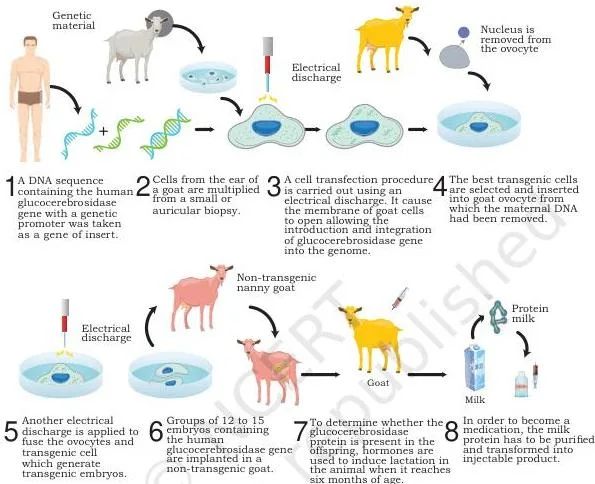
The stepwise diagram summarises the route all three techniques share: obtain a fertilised egg or blastocyst, deliver the transgene, culture, implant into a foster mother, and monitor offspring for expression. The book’s Box 2 adds the chimeric mouse — a patchwork of normal and genetically manipulated “knockout” cells, used to study development, disease mechanisms and tissue repair.
What Transgenic Organisms Are Used For
The chapter organises uses into four groups, then adds one technique that works by silencing genes.
- Agriculture. Transgenic crops resist biotic stress (bacteria, fungi, viruses, insects) and abiotic stress (drought, salinity, extreme temperatures). Stress tolerance involves osmolytes such as trehalose, fructans, betaine and proline. Bt cotton carries the cry (Bt) gene from Bacillus thuringiensis; cryIAc and cryIIAb control cotton bollworms, while cryIAb controls corn borers — each cry product harms only its specific insect group. Golden Rice raises vitamin A. Bt cotton has been grown commercially in India since 2002.
- Molecular farming (plants). Plants are modified to produce biomolecules; putting genes into the chloroplast genome raises accumulation because chloroplasts are numerous per cell. Elelyso (2012), made in carrot cell cultures for Gaucher’s disease, was the first plant-made human biologic approved in the US.
- Environmental benefits. Biodegradable plastics — polyhydroxyalkanoates (PHAs), such as polyhydroxybutyrate (PHB) in transgenic sugarcane — and phytoremediation, where plants remove soil pollutants. “Mercury-breathing plants” carry the mercuric reductase gene.
- Molecular pharming (animals). Transgenic animals act as bioreactors. Tracy the ewe produced human alpha-1-antitrypsin in her milk in the 1990s; Rosie (1997), the first transgenic cow, produced human alpha-lactalbumin-enriched milk. The chapter’s table lists albumin, alpha-fetoprotein, growth hormone, tissue plasminogen activator and coagulation factors VIII and IX in cow, goat, mouse and rabbit milk.
- Research. Transgenic animals model diseases such as cancer and Alzheimer’s and are used for toxicity testing of vaccines and drugs before human use.
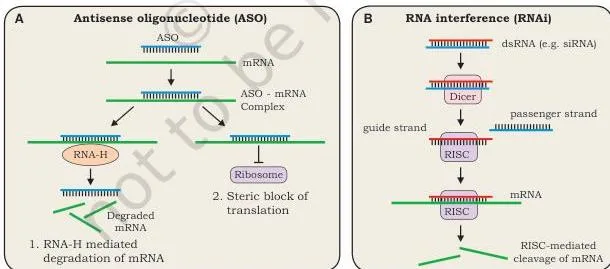
The antisense diagram carries two panels. Panel A: an antisense oligonucleotide complementary to the target mRNA either recruits RNase H to degrade the message or blocks its binding to ribosomes. Panel B, RNA interference: DICER cleaves double-stranded RNA into short fragments; RISC separates the guide strand from the passenger strand; the guide strand binds and cleaves the target mRNA.
The chapter’s worked example is tobacco made resistant to the nematode Meloidogyne incognita by Agrobacterium-delivered antisense genes.
Concerns Over GMOs and the GEAC
The chapter is balanced: it lists what could go wrong, then the Indian response.
- Transgenic proteins may cause allergic reactions in humans.
- Viral vectors and promoters may raise the risk of viral infection.
- Improved GMO traits may make the organism invasive against native or wild-type species.
- Random transgene insertion can cause unpredictable, non-target effects.
In India, the Genetic Engineering Appraisal Committee (GEAC), under the Ministry of Environment, Forest and Climate Change, regulates the manufacture, use, import, export and storage of genetically modified organisms and hazardous microorganisms (section 4.2.4).
4.3 Gene Therapy: Repairing Faulty Genes
Some diseases exist because a gene is missing or defective. Gene therapy is the attempt to repair such faulty genes by introducing correct genetic material into cells. It was first tried in 1990, on a four-year-old girl with Severe Combined Immunodeficiency (SCID), caused by a defect in the adenosine deaminase (ADA) gene.
A functional ADA gene was carried by a viral vector into the patient’s own lymphocytes, which were returned to her bloodstream. Her immune function improved, but the cure was not permanent (section 4.3).
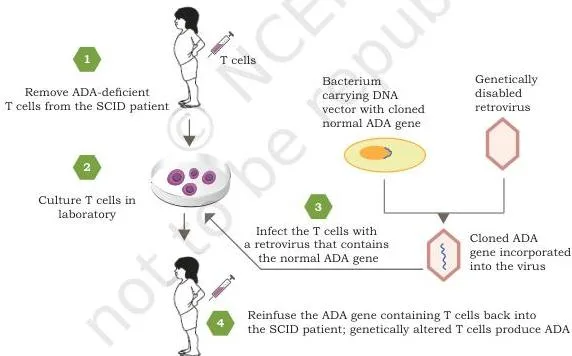
Follow the SCID diagram as a closed loop: lymphocytes leave the patient, the functional ADA gene is delivered by a viral vector, and the corrected cells go back into the bloodstream. Other candidate diseases named in the chapter are cystic fibrosis, haemophilia and muscular dystrophy.
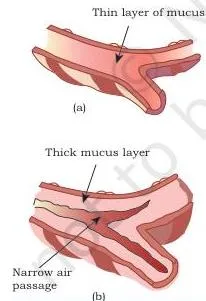
The cystic fibrosis cross-sections show the problem: (a) a normal open air passage versus (b) a mucus-clogged passage, caused by a defective CFTR membrane protein. Cystic fibrosis is the book’s main example of gene replacement therapy.
Three approaches are taught (section 4.3.1): gene replacement or addition supplies a functional copy to replace the defective one — CFTR for cystic fibrosis, p53 for cancers; gene inhibition inactivates a disease-causing gene’s product, for Tay-Sachs disease, phenylketonuria and colour-blindness; and gene repair or editing snips out and replaces mutated DNA using CRISPR/Cas9, a system borrowed from the natural defence of bacteria and archaea against viruses.
Section 4.3 refers to Chapter 5, section 5.4.2, for the full treatment.
Two classification pairs matter. By delivery strategy: ex vivo (cells removed, modified in culture, returned — cell-based delivery, the simpler route) versus in vivo (direct delivery into the patient). By target cells: somatic (changes not heritable) versus germ-line (changes heritable). The ex vivo/in vivo diagram is read below.
The chapter’s merits and demerits are honest. Merits: a potential cure for devastating inherited diseases, and a hopeful route for cancer research.
Demerits: uncontrolled expression of the therapeutic gene; random integration that could land in a tumour-suppressor gene and trigger a tumour; effects short-lived enough to need frequent administration; immune rejection of the gene or viral vector; high cost; and effectiveness limited to single-gene defects.
The ethical issues: gene enhancement, germ-line alteration, and the criticism that gene therapy promises much but delivers little (sections 4.3.3–4.3.4).
4.4 Recombinant Vaccines: Four Ways to Build a Safer Vaccine
A vaccine is a preparation of killed or weakened pathogen, or its components, given to raise an immune response against an infectious agent. The chapter credits Jenner (Latin vacca, cow) and Pasteur, who coined “vaccination” in 1881, and reminds you of everyday DPT and MMR vaccines.
Why build recombinant vaccines at all? Conventional ones carry four concerns named in the book: live attenuated vaccines keep a chance of infection; toxoids can revert to toxigenic forms; undesirable components can co-purify; and obtaining enough purified antigen is difficult. The chapter then develops four recombinant types.
| Vaccine type | What it contains | How it works | Named example |
|---|---|---|---|
| Live genetically modified vaccines | A pathogen with a gene deleted or inactivated; vector-based versions carry a foreign antigen gene | The vector, such as vaccinia virus, expresses the foreign antigen alongside its own genes, giving polyvalent protection | Salmonella vaccine (sheep, poultry); Pseudorabies virus vaccine (pigs); vaccinia carrying hepatitis, herpes simplex and influenza antigens |
| Recombinant subunit vaccines | Only part of the pathogen — a purified protein such as HBsAg | The antigen gene is expressed in yeast or E. coli, and the purified protein is injected | Hepatitis B: Recombivax and Engerix-B (licensed 1987) |
| DNA vaccines | A plasmid carrying the antigen gene, with promoter, cloning site, origin of replication, selectable marker and a poly-A terminator | Injected into muscle by gene gun or given by nasal spray; cells take up the DNA and express the antigen | Studied in animal models such as mice in the chapter |
| RNA vaccines | mRNA coding for the antigen, stabilised with a 5′ cap and 3′ poly-A tail, packed in lipid nanoparticles | mRNA is taken up by antigen-presenting cells and translated into a properly folded, glycosylated protein antigen | COVID-19 mRNA candidates mentioned in the chapter’s pandemic note |
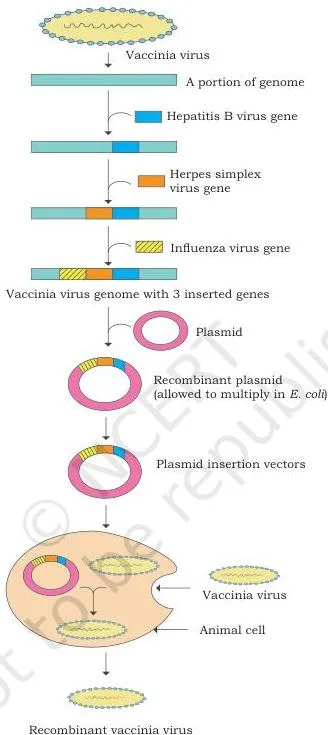
The vector-based vaccine diagram shows the construction: a small piece of vaccinia DNA is cloned in a plasmid as the insertion vector; the antigen gene (hepatitis, herpes simplex or influenza) is inserted; during viral replication in host cells, homologous recombination incorporates the antigen gene into the vaccinia genome.
The recombinant virus expresses it alongside its own ~200 genes, so one vaccine can protect against several diseases — polyvalent or multivalent protection.
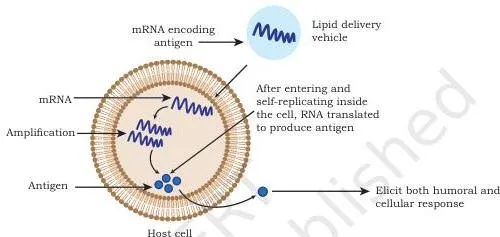
The RNA vaccine diagram is read for one idea: the mRNA enters a cell, is translated into a protein, and that protein becomes the antigen that triggers immunity. The chapter’s advantages list: rapid, low-cost, scalable cell-free production; quick response to emerging viral variants; no risk of pathogen reactivation; and no integration into the genome.
Thermostability is the open problem — freeze-drying (lyophilisation) is proposed. The COVID-19 note states that Covaxin (inactivated whole virus) and Covishield (adenovirus-based DNA vaccine) were used in India, while mRNA candidates were in different phases of trials.
4.5 Therapeutic Agents: Monoclonal Antibodies, Insulin and Growth Hormone
The last application makes human proteins in engineered cells so they are identical to natural human proteins. That identity matters: animal-derived products can trigger immune or allergic responses, which recombinant human proteins do not (section 4.5).
Monoclonal antibodies. B cells normally make many different antibodies against different regions (epitopes) of an antigen — a polyclonal response. A monoclonal antibody targets a single epitope, which suits diagnostics and therapy.
The breakthrough was hybridoma technology (Kohler and Milstein, 1975): a short-lived antibody-producing B plasma cell is fused with an immortal myeloma cell using PEG, producing a hybridoma with immortality plus antibody production.
Why only hybridoma cells survive in HAT medium: the engineered myeloma cells cannot use hypoxanthine, aminopterin and thymidine for nucleic acid synthesis, so they die in HAT; ordinary B cells survive HAT but have a fixed lifespan and die naturally. A cell that keeps growing in HAT must therefore be a fusion of the two.
On this base, rDNA technology builds chimeric or humanised antibodies — mouse antibodies carrying human segments, with higher effectiveness. Uses named in the book: pregnancy test kits, cancer imaging, and monoclonal antibodies coupled to toxins or drugs for targeted delivery. The hybridoma diagram is read below.
Insulin. Banting and Best isolated insulin in 1921; Sanger worked out its primary structure in 1955. Pig and cow insulin differ from human insulin by one or three amino acids — enough to cause allergic responses in some diabetic patients.
Human insulin forms as follows: preproinsulin (110 amino acids) loses its signal peptide to become proinsulin (86 amino acids); the C chain (31 amino acids) plus four connecting amino acids are then removed, leaving active insulin of 51 amino acids — an A chain of 21 and a B chain of 30 joined by disulphide bonds.
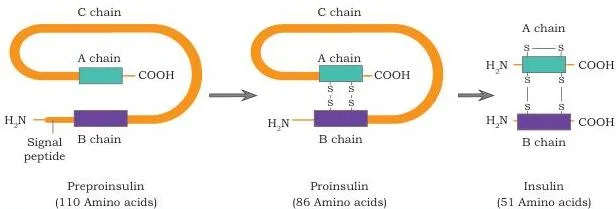
The conversion diagram is a 110 → 86 → 51 progression; each arrow is one processing cut. Because bacteria cannot process preproinsulin, scientists cloned the A and B chain genes separately in E. coli under a lac promoter, expressed them as beta-galactosidase fusion proteins, released the chains with cyanogen bromide, then re-established the disulphide bonds.
The product, marketed as Humulin in 1982, was free from allergic response. The engineered-insulin production flow is read below.
Growth hormone. Human growth hormone (HGH) has 191 amino acids and is secreted by the pituitary. Childhood deficiency causes dwarfism — retarded growth, a chubby face, fat deposition at the waist and short stature of about four feet. Treating one patient for one year once required pituitary glands from more than 80 cadavers, was expensive, and carried the risk of Creutzfeldt-Jakob disease (Box 7).
The engineered route: cDNA was made from HGH mRNA, and EcoRI removed the signal-peptide sequence plus an extra 24 amino acids (50 in total); the extra 24 were chemically synthesised and put back, because bacteria cannot remove a signal peptide. The product was marketed in 1985 as Humatrope and Protropin.
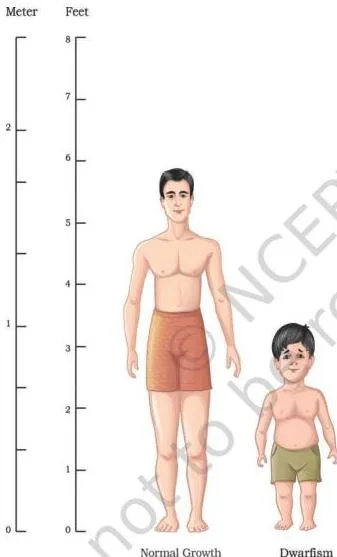
The two images illustrate the physical signs of HGH deficiency — the contrast between typical growth and the retarded growth with unusual body proportions the chapter describes.
Reading the Chapter’s Key Diagrams
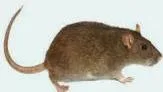
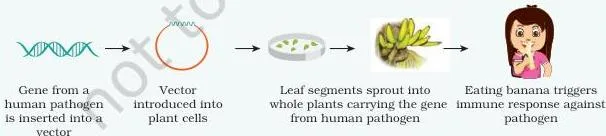
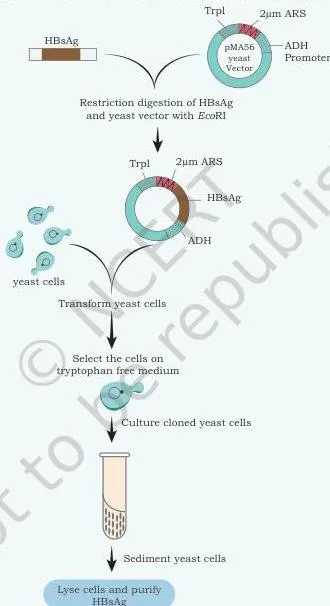
This chapter’s process diagrams are where students get lost, so here is how to read the six most misread ones. For each, look at the arrows or lanes first — they carry the meaning.
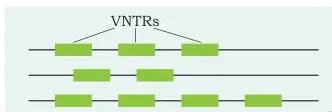
Fig 4.1 (VNTRs in three alleles): three alleles of one locus. The repeat block number changes; the flanking DNA does not. That is what makes a VNTR polymorphic — the variable is how many times the short sequence repeats in tandem.
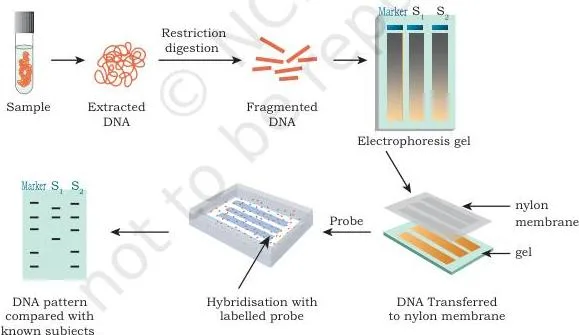
Fig 4.3 (steps of DNA fingerprinting): seven stages from DNA isolation to final bands. The conceptual heart is the Southern transfer — DNA moves from the gel to a nylon membrane and is fixed (UV or baking) so the labelled probe can hybridise. Students often read the gel as the final answer; it is only the middle of the flow.
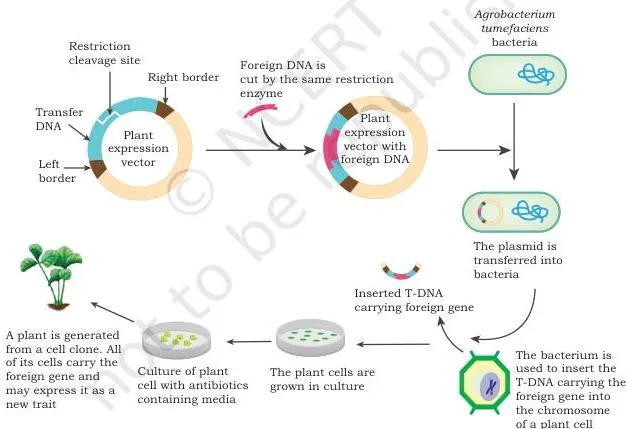
Fig 4.4 (Agrobacterium-mediated transformation): follow the disarmed Ti plasmid — into the bacterium, into the plant cell, into plant nuclear DNA. Then regeneration: transformed tissue to shoots, shoots to roots on rooting medium, plantlets to soil. The common misreading is thinking the T-DNA itself is deleted; what is deleted is the tumour-inducing genes inside it.
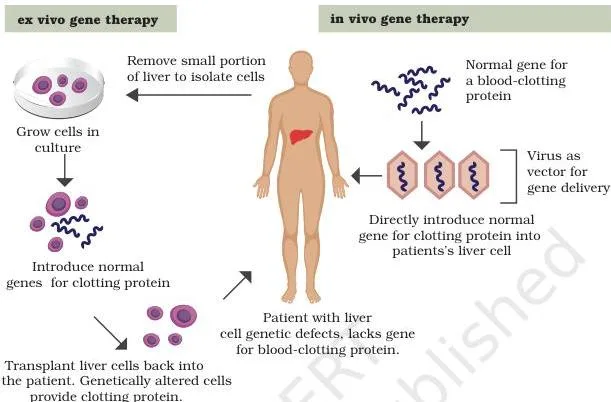
Fig 4.8 (ex vivo versus in vivo): two mirrored routes. The top draws cells out of the patient, modifies them in culture and returns them; the bottom delivers genes directly into the body. The direction of the arrows is the whole point.
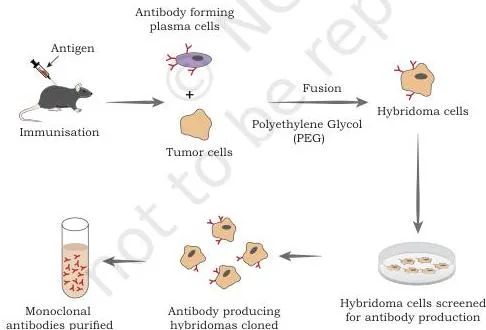
Fig 4.11 (hybridoma production): B cell plus myeloma cell, fused with PEG. In HAT medium, unfused myeloma cells die (they cannot use HAT components) and unfused B cells die of old age — only the fused hybridomas survive and keep secreting antibody.
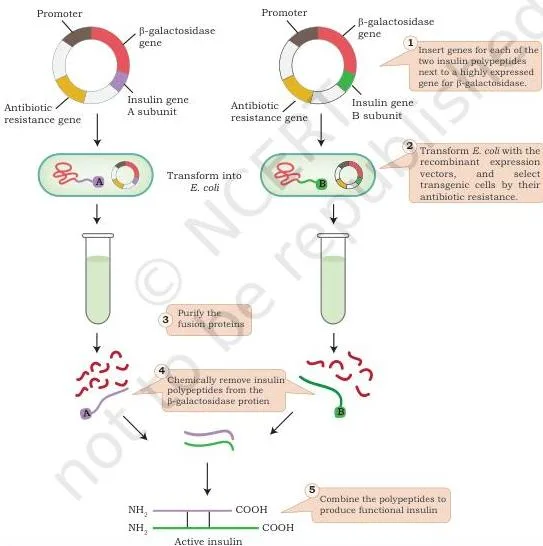
Fig 4.14 (engineered insulin): separate A and B genes into E. coli, express as beta-galactosidase fusions, cleave with cyanogen bromide, and rejoin A to B by disulphide bonds. The step students miss is that the disulphide links are re-formed artificially after the chains are released.
Key Terms in Chapter 4, Explained Simply
Use this glossary to confirm any term in seconds while you revise. The “Where it appears” column points you back to the right section.
| Term | What it means | Where it appears |
|---|---|---|
| VNTR | Variable number tandem repeat — a short DNA sequence repeated in tandem within non-coding DNA | Section 4.1 |
| STR | Short tandem repeat — the repeated short sequence found at a locus | Section 4.1 |
| Microsatellite | VNTR family with repeats of 1 to 9 bp | Section 4.1 |
| Minisatellite | VNTR family with repeats of 10 to 100 bp | Section 4.1 |
| RFLP | Restriction fragment length polymorphism — profiling by restriction digestion of DNA | Section 4.1 |
| Southern hybridisation | Transferring digested DNA to a membrane and detecting it with a labelled probe | Section 4.1 |
| Probe | Labelled single-stranded DNA used to find its complementary target sequence | Section 4.1 |
| Transgene | The foreign gene inserted into an organism’s genome | Section 4.2 |
| Transgenesis | Insertion of a transgene, plus its transmission and expression in progeny | Section 4.2 |
| GMO | Genetically modified organism — an organism carrying a transgene | Section 4.2 |
| Ti plasmid | Tumour-inducing plasmid of Agrobacterium tumefaciens | Section 4.2 |
| T-DNA | The plasmid portion transferred into the plant genome; carries tumour-inducing genes | Section 4.2 |
| Disarmed plasmid | Ti plasmid with its tumour genes replaced by the gene of interest | Section 4.2 |
| Biolistics | Particle bombardment — DNA-coated gold or tungsten particles fired by a gene gun | Section 4.2 |
| Protoplast | A plant cell stripped of its cell wall | Section 4.2 |
| Electroporation | Using an electric current to carry DNA into cells | Section 4.2 |
| Molecular farming | Using modified plants to produce biomolecules | Section 4.2 |
| Molecular pharming | Using transgenic animals as bioreactors for recombinant proteins | Section 4.2 |
| Phytoremediation | Using plants to remove pollutants from soil | Section 4.2 |
| SCID | Severe Combined Immunodeficiency — an immune disorder caused by an ADA gene defect | Section 4.3 |
| Gene therapy | Repairing faulty genes by introducing correct genetic material into cells | Section 4.3 |
| CRISPR/Cas9 | Gene-editing system adopted from bacterial defence against viruses | Section 4.3 |
| Vaccine | A preparation of killed or weakened pathogen, or components, that raises immunity | Section 4.4 |
| Subunit vaccine | A vaccine containing only part of the pathogen, such as HBsAg | Section 4.4 |
| DNA vaccine | Plasmid carrying an antigen gene, delivered by gene gun or nasal spray | Section 4.4 |
| RNA vaccine | mRNA coding for an antigen, packed in lipid nanoparticles | Section 4.4 |
| Hybridoma | A fused B plasma cell and myeloma cell that is immortal and makes antibody | Section 4.5 |
| Monoclonal antibody | An antibody specific to a single epitope | Section 4.5 |
| Preproinsulin | The insulin precursor of 110 amino acids | Section 4.5 |
| GEAC | Genetic Engineering Appraisal Committee — regulates GMOs in India | Section 4.2 |
Common Mistakes in This Chapter and How to Avoid Them
These are the confusions the chapter’s own exercises probe, and the ones students reliably make. For each: the mistake, the correct rule, and a way to check yourself.
| Mistake | Correct rule | How to check your answer |
|---|---|---|
| VNTR and STR are two competing techniques | VNTR is the general name for tandem repeats; STR is the repeat family at a locus, split into microsatellites and minisatellites | The chapter’s own exercise defines VNTRs as repetitive non-coding short DNA sequences |
| DNA fingerprinting sequences the whole genome | It compares repeated non-coding regions; 99.9% of human genomes are identical, so the signal sits in the 0.1% | Ask: what actually varies between individuals? Only a small fraction of the genome |
| RFLP alone gives readable profiles | RFLP is conceptually correct; real band identification needs Southern hybridisation with a VNTR probe | The book says single bands on a gel are difficult to identify |
| Gene gun and gene therapy are similar tools | One is a physical device that delivers DNA into cells; the other is a treatment that repairs faulty genes | Exercise Q5 asks you to differentiate exactly this pair |
| Molecular farming and molecular pharming are the same | Farming uses plants; pharming uses animals as bioreactors | Name the example: Elelyso (plant) versus Tracy and Rosie (animal) |
| Somatic gene therapy can pass to children | Somatic changes are non-heritable; only germ-line therapy is heritable | Exercise Q22 expects “non-heritable” |
| The first SCID gene therapy cured the patient | Immune function improved, but the cure was not permanent | The chapter states this explicitly in section 4.3 |
| Bt toxin kills any insect | Each cry gene product harms only a specific insect group | cryIAc/cryIIAb control bollworms; cryIAb controls corn borers |
| Bacteria can process preproinsulin into insulin | They cannot, so the A and B chains were cloned and expressed separately, then joined | The book says this sidestep was necessary |
| The Ti plasmid used for transformation causes crown gall | The wild plasmid causes crown gall; the disarmed plasmid (tumour genes removed) is the transformation tool | Check what replaced the tumour genes in the vector |
How to Prepare This Chapter for Exams
No guarantees about the paper — but the chapter itself tells you what kind of thinking it rewards. There are no numerical problems here, so preparation means knowing definitions, differences, procedures and reasoning.
The firsts worth memorising, in one timeline:
| Year | First | Who / what |
|---|---|---|
| 1973 | First GMO — a bacterium | Herbert Boyer and Stanley Cohen |
| 1974 | First transgenic animals — mice | Rudolf Jaenisch and Beatrice Mintz |
| 1975 | Hybridoma technology | Kohler and Milstein |
| 1982 | First genetically engineered insulin marketed | Humulin |
| 1984 | DNA fingerprinting developed | Sir Alec Jeffreys, University of Leicester |
| 1985 | Engineered human growth hormone marketed | Humatrope and Protropin |
| 1987 | First recombinant subunit vaccine licensed for public use | Recombivax, Engerix-B |
| 1990 | First gene therapy — for SCID | Functional ADA gene in a four-year-old patient |
| 1994 | First GM food crop approved by the USFDA | Flavr Savr tomato |
| 1997 | First transgenic cow | Rosie |
| 2002 | Bt cotton grown commercially in India | — |
The revision move that works for every application: state the problem it solves, the tool used, and the named product or example. Bt cotton — insect pests — cry gene from Bacillus thuringiensis. Humulin — animal insulin allergy — A and B chains cloned in E. coli. SCID — missing ADA — viral vector into lymphocytes.
The end-of-chapter exercises map cleanly onto the sections:
| Exercise | Section that answers it |
|---|---|
| Q1 | 4.1 — DNA fingerprinting through RFLP |
| Q2, Q3, Q11, Q12 | 4.2 — GMOs and transgenic plants; direct vs indirect transfer; crop improvement; ethics of transgenic animals |
| Q4 | 4.2 — molecular pharming (Tracy, Rosie, milk proteins) |
| Q5 | 4.2 (gene gun) and 4.3 (gene therapy) — a differentiation question |
| Q6, Q7, Q13 | 4.4 — subunit vaccines, DNA vaccines, vaccinia vector |
| Q8–Q10, Q14–Q17 | 4.5 — monoclonal antibodies, Humulin, Humatrope/Protropin, humanised antibodies, plus the two assertion-reason items |
| Q18–Q29 | Single-answer recall from across the chapter: Q18–Q20 from 4.1, Q21 from 4.2, Q22–Q24 from 4.3, Q25–Q26 from 4.4, Q27–Q29 from 4.5 |
The assertion-reason items cluster on hybridoma technology (Q16) and insulin processing (Q17). And remember: textbook contents and the examinable syllabus are not always identical — check the current official syllabus.
Rapid Recall: Chapter 4 Condensed
One screen for the night before. Every closing point of the chapter, in fresh words.
- DNA fingerprinting compares inherited variations in non-coding DNA without sequencing; Sir Alec Jeffreys developed it in 1984.
- The raw material is VNTRs — non-coding tandem repeats in microsatellite and minisatellite families — read by RFLP plus Southern hybridisation with VNTR probes.
- Transgenesis: a foreign gene enters a genome and is transmitted and expressed in progeny; the result is a GMO.
- Plants take genes two ways: vector-mediated (Agrobacterium‘s disarmed Ti plasmid, plant viruses) or direct (biolistics, protoplast plus electroporation).
- Animals take genes three ways: pronuclear microinjection, ES cell-mediated transfer, retrovirus-mediated transfer.
- Improved crops resist pests and stresses; Bt cotton (cry genes) has grown commercially in India since 2002; Golden Rice adds vitamin A.
- Molecular farming: plants make biomolecules — Elelyso (2012) leads.
- Molecular pharming: animals are bioreactors — Tracy, Rosie, and the milk-protein table.
- GMO concerns exist, and GEAC regulates their manufacture, use, import, export and storage in India.
- Antisense technology silences genes by ASO or RNAi.
- Gene therapy repairs faulty genes: replacement, inhibition or editing (CRISPR/Cas9); ex vivo or in vivo; somatic or germ-line; with real merits, real demerits and real ethical questions.
- A vaccine primes immunity; four recombinant types: live GM, subunit, DNA and RNA.
- Therapeutic agents made by rDNA are identical to natural human proteins — no allergy risk.
- Monoclonal antibodies come from hybridomas (Kohler and Milstein, 1975).
- Humulin arrived in 1982; Humatrope and Protropin in 1985.
Related NCERT Resources
Keep moving through the same book and the same class.
- Class 12 Biotechnology NCERT book page — the whole book, chapter by chapter.
- Chapter 3 of the same book — where the tools used throughout this chapter are taught. If the tools feel shaky, start there, or with the gene cloning revision notes.
- Chapter 5 — the fuller treatment of CRISPR/Cas9 referenced in section 4.3, supported by the genome engineering revision notes.
- Class 12 hub — every Class 12 NCERT book indexed.
- Class 12 Biotechnology revision notes — quicker summaries for exam revision.
The authoritative source for the chapter file is the official NCERT textbook portal (ncert.nic.in), where every textbook PDF is published.
Sources and Data Verification
- This page describes the NCERT Class 12 Biotechnology textbook, Chapter 4, Applications of Recombinant DNA Technology. The official edition is published at ncert.nic.in, and the download link at the top of this page points to that source.
- It covers this one chapter of this one book, not the wider syllabus.
- It is maintained for the 2026-27 academic session.
- NCERT settles textbook editions and PDFs; CBSE settles the curriculum, syllabus and examinations. Textbook contents and the examinable syllabus are not always identical — check the current official syllabus.
Frequently Asked Questions
What is the difference between VNTR and STR?
VNTR (variable number tandem repeat) is the general name for short DNA sequences repeated in tandem within non-coding regions; STR (short tandem repeat) is the term for those repeated sequences at a locus. VNTRs divide into microsatellites (1 to 9 bp repeats) and minisatellites (10 to 100 bp repeats). They are polymorphic and inherited, which makes them the basis of DNA fingerprinting (section 4.1).
What are the steps of DNA fingerprinting in order?
Seven, in this order: isolate DNA from blood, hair, skin, semen or a buccal swab; cut the DNA with restriction enzymes; separate fragments by agarose gel electrophoresis; transfer to a nitrocellulose or nylon membrane and fix it (UV or baking); Southern-hybridise with VNTR probes; detect the hybridised fragments; compare the individual-specific band pattern (section 4.1).
What are the four types of recombinant vaccines?
Live genetically modified vaccines (a gene deleted or inactivated; vector-based vaccines such as vaccinia), recombinant subunit vaccines (only part of the pathogen — the Hepatitis B HBsAg vaccine), DNA vaccines (an antigen gene in a plasmid, delivered by gene gun or nasal spray) and RNA vaccines (mRNA in lipid nanoparticles) (section 4.4).
Why was genetically engineered insulin Humulin needed when pig and cow insulin already existed?
Pig and cow insulin differ from human insulin by one or three amino acids, and those small differences can cause allergic responses in some diabetic patients. Humulin is identical to natural human insulin, so it works without the allergic risk; it was marketed in 1982 (section 4.5).
What is the difference between molecular farming and molecular pharming?
Molecular farming uses genetically modified plants to produce biomolecules such as vaccine antigens and therapeutic proteins. Molecular pharming uses transgenic animals as bioreactors, producing recombinant human proteins — such as alpha-1-antitrypsin in the milk of Tracy the ewe — in large quantities (section 4.2).
Why is somatic gene therapy not heritable while germ-line gene therapy is heritable?
Somatic gene therapy delivers the functional gene into the patient’s somatic (body) cells, so the change dies with that person. Germ-line gene therapy delivers the gene into germ cells (egg or sperm), it integrates into the genome of those cells, and the change is passed on to offspring (section 4.3.2).
Reference: NCERT Class 12 Biotechnology textbook, chapter 4, official edition on ncert.nic.in.
Explore Class 12 Biotechnology Books
- Previous: Gene Cloning
- Next: Genome Engineering
Related chapters:
- Recombinant DNA Technology
- Host–Vector System
- Microbial, Plant, Animal Cell, Organ Cultures and Bioprocessing